

The Scoop New York is an indie non-profit web site and newsletter covering the movement for a true no-kill New York, from BUF to BK.
We take names. We step on toes. We bring receipts.
NYC ACC KILLS, published by TSNY, enumerates and memorializes adoptable cats and dogs who were nonetheless exterminated by Animal Care Centers of New York City.
Every week, NYC ACC KILLS subscribers receive The Weekly Carnage: bios, photos and videos of adoptable cats and dogs known to be recent ACC victims. Subscribers also get monthly memoriam posts that include ACC data summaries along with an updated compendium of animals whose lives were ended by ACC that month. Videos from current and prior months may also be found on The Scoop New York’s YouTube channel.
For more New York companion animal news, follow NYC ACC KILLS and The Scoop New York on social media.

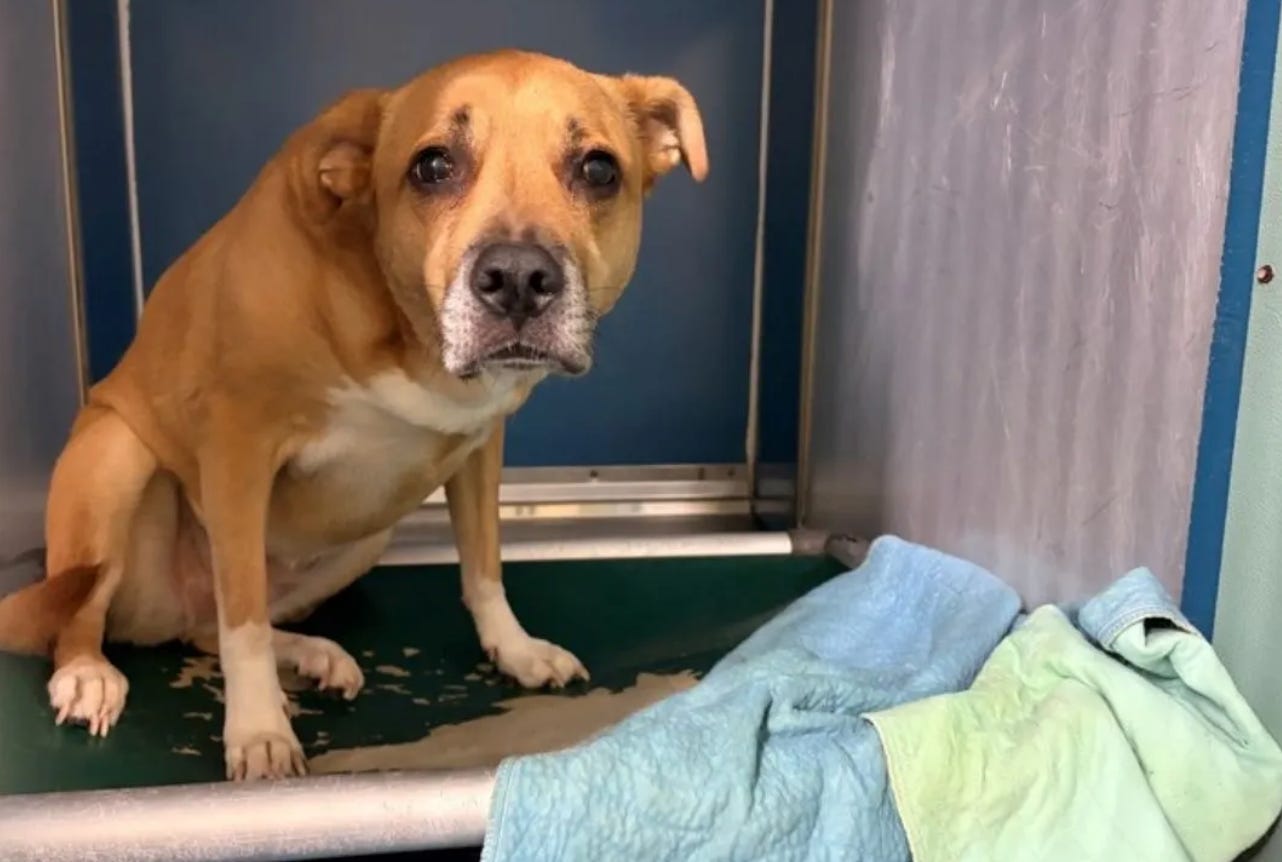
About NYC ACC KILLS memoriam posts
Like virtually all New York City officials, including Mayor Zohran Mamdani and City Council Speaker Julie Menin, NYC ACC staff as a rule do not respond to uncomfortable questions concerning the kill pound they’re responsible for.
Information in NYC ACC KILLS memoriam posts, therefore, is drawn from reader tips, records ACC has chosen or is required to make public, and the ACC so-called “at-risk outcomes” list.
As evidenced by its monthly and annual outcome data reports, ACC kills far more cats and dogs than appear on the at-risk list. ACC exterminates many healthy and adoptable cats and dogs without first offering them for adoption. Victims of this practice are known among advocates as “silent kills.”
Under direction from higher-ups including chief DVM Robin Brennen, ACC will often spay or neuter a cat or dog only to exterminate her or him during recovery, or soon after. This practice is known as “spay-neuter-kill.”
Known silent kills and spay-neuter-kill victims are identified as such by NYC ACC KILLS.
Since cats are underrepresented on ACC’s “at-risk outcomes” list, they are, unfortunately, also underrepresented here.

Due to ACC obfuscation and gaps in record-keeping, memoriam posts are, sadly, bound to be incomplete. The Scoop New York continually adds names and images of ACC victims to NYC ACC KILLS as we find them. Follow NYC ACC KILLS and The Scoop New York on social media for updates.
If you’re an NYC ACC networker or volunteer and would like to contribute information on exterminated cats and dogs, or share your experience working with ACC, we want to hear from you. Discretion guaranteed.
A note about names: Many animals come to NYC ACC with unknown histories, including their names. In addition, ACC does not always use the name a cat or dog is accustomed to, even if the agency knows what it is. As a result, many animals exterminated by ACC are never properly identified. Unfortunately, for the most part NYC ACC KILLS has only the names provided by ACC, even if those names are incorrect or nonsensical. ACC-assigned names are presented here without quotation marks unless TSNY can confirm an animal was known by a different name when admitted to ACC.
ACC operates under putative supervision by the New York City Department of Health and Mental Hygiene, which endorses the publicly-funded killing of healthy and adoptable cats and dogs at will and with impunity.
CHIEF NYC ACC VETERINARIAN
Robin Brennen, Sr VP Animal Health & Welfare: Email
OFFICIALS RESPONSIBLE FOR NYC ACC OVERSIGHT
NYS Ag Commissioner Richard Ball: 518-457-2771; Email
Mayor Zohran Mamdani: Contact form
City Council Speaker Julie Menin: 212-788-7210; Email
Council health chair Lynn Schulman: 212-788-6981; Email
Comptroller Mark Levine: 212-669-3916; Contact forms
Public Advocate Jumaane Williams: 212-669-7250; Email
City Council members: Lookup
Borough presidents: BX; BK; MN; SI; QS
NYC DOH Commissioner Alister Martin: 311; Contact form
NYC DOH ACC minder Corinne Schiff: 646-632-6496; Email

In memoriam
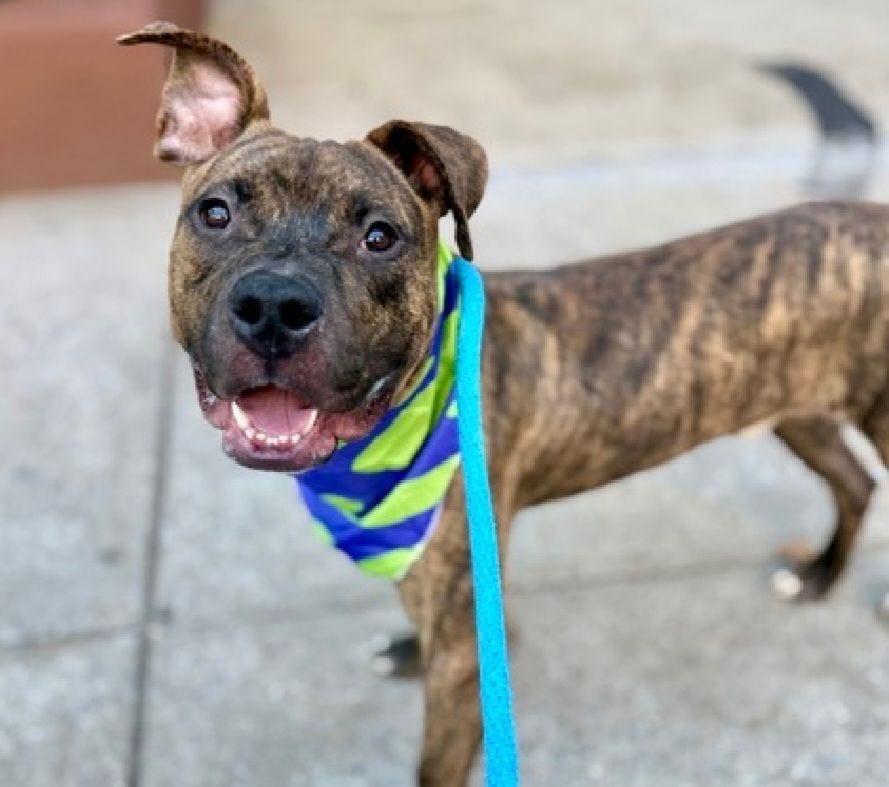
Sticky Keys [261073]: 2 years old; killed September 13. On intake, Sticky Keys, a stray found in the park, was trembling, but gently sniffed the open hand offered to him and moved closer to the person.
He was, a volunteer wrote, “absolutely lovely: so gentle, easy to leash and walk, and very affectionate. Just make sure that your slip lead is not too tight as he will choke, so just go slowly. Sticky Keys is the sweetest pup, even though he’s currently in ISO [isolation housing] and a bit under the weather. [He had CIRDC.] He is curious and loves to sniff on his walk, but he might also try to intimidate a pigeon who dares to cross his path. He loves treats. What a sweet soul.”
Listed as adoptable, ACC neutered Sticky Keys. In the end, he outwore his welcome. All ACC could see was that he jumped too much and once nipped a finger—no broken skin.
ACC killed Sticky Keys on day 46.

Sylvana [260951]: 2 years old; killed September 13. Sylvana, a timid stray, grew more relaxed the further away from the building she got.
With time, she became wiggly, waggy, and social as seen in her video. She wasn’t reactive to the dogs they introduced her to and did well on walks, checking in with handlers, following commands, and ignoring passersby.
In her last weeks there, they said Sylvana became dog reactive, “fixating on other dogs while growling and pulling toward them.” The report of growling happened once; most often she’d just stare at or pull toward other dogs, and often she didn’t react at all.
Of course, with no supervision from the Mamdani administration or the complicit City Council, ACC doesn’t need a legitimate reason to exterminate a perfectly adoptable dog. A growl or two will do.
Robin Brennen’s vet team put Sylvana to death on day 46.
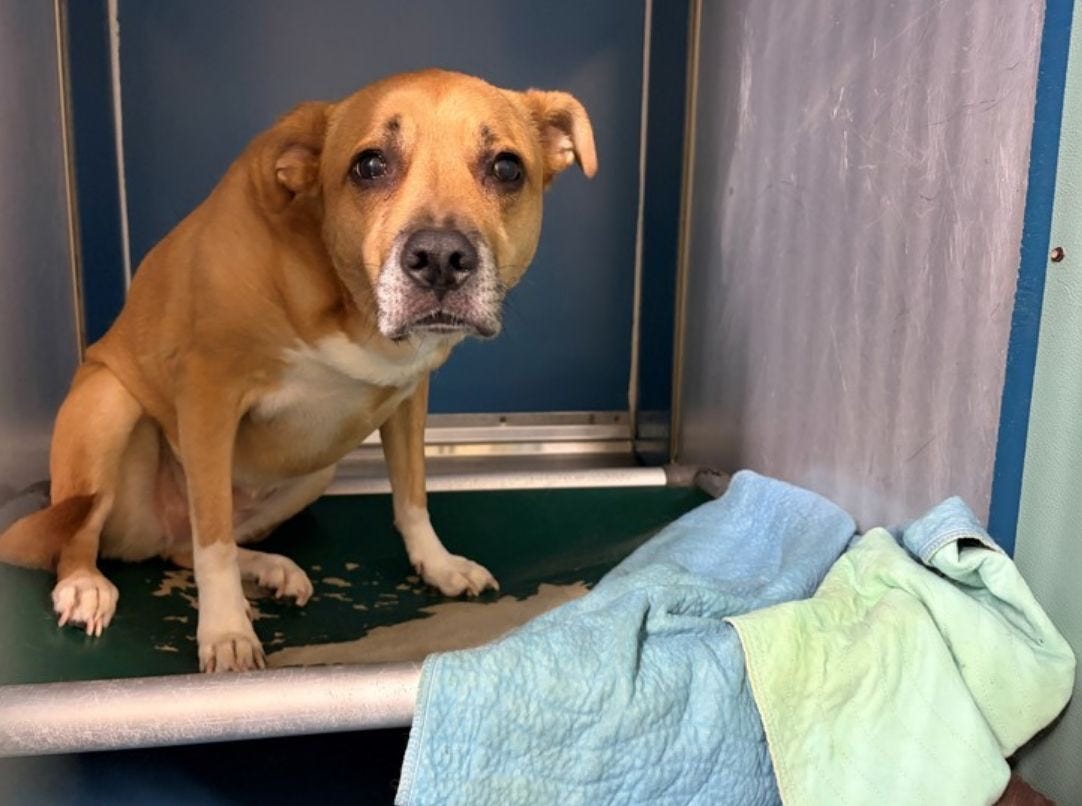
Coco [264547]: 3 years old; killed September 13. A family dog who lived with two kids, her owner said Coco was “very active, playful, great cuddles!”
They also said she was fearful of loud noises, easily startled, and anxious when left alone. Naturally, she was overwhelmed at the shelter, freezing, flinching, and hiding at the back of her kennel.
The longer Coco was outside of her kennel, on the one walk they reported, the more relaxed she became. But they didn’t give her time.
ACC killed Coco on day nine, for the offense of being afraid in the unfamiliar, hellish environment of the city “shelter.”

Neapolitan Ice Cream Sandwich [264758]: 3 years old; killed September 13. Found on September 8, Neapolitan was listed as “no longer available” on September 11 and killed the next day, without being offering for foster or adoption, contrary to ACC’s contract with New Yorkers.
When a companion animal has never been listed, silent kills are especially egregious. We know nothing about Neapolitan other than his age and the thoughtless “name” ACC branded him with.
The “care center” didn’t even care to offer an excuse for why they exterminated this poor boy after four days.
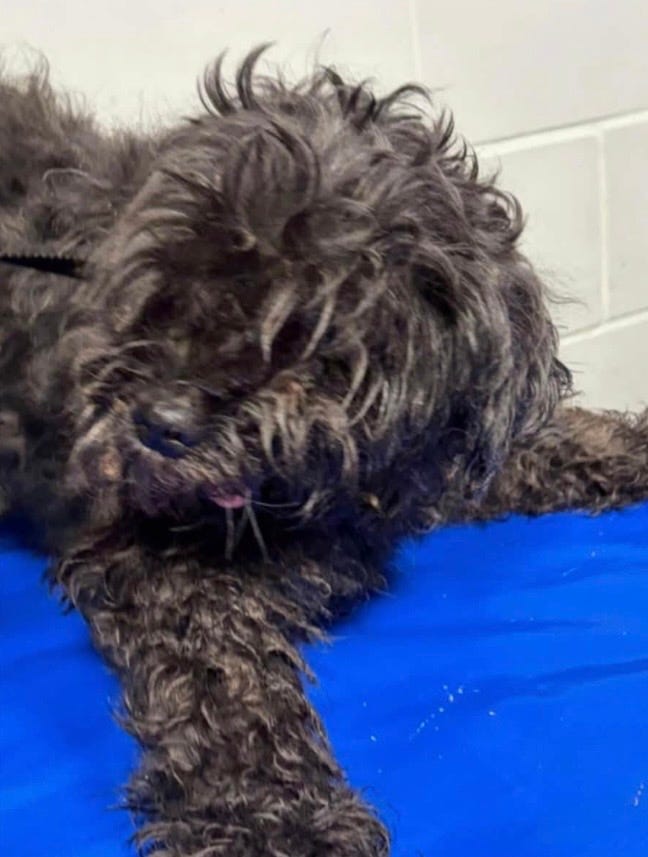
Haley [264962]: 13 years old; killed September 13. Found September 10, Haley was never listed for foster or adoption.
Like Neapolitan, he was killed on day four.
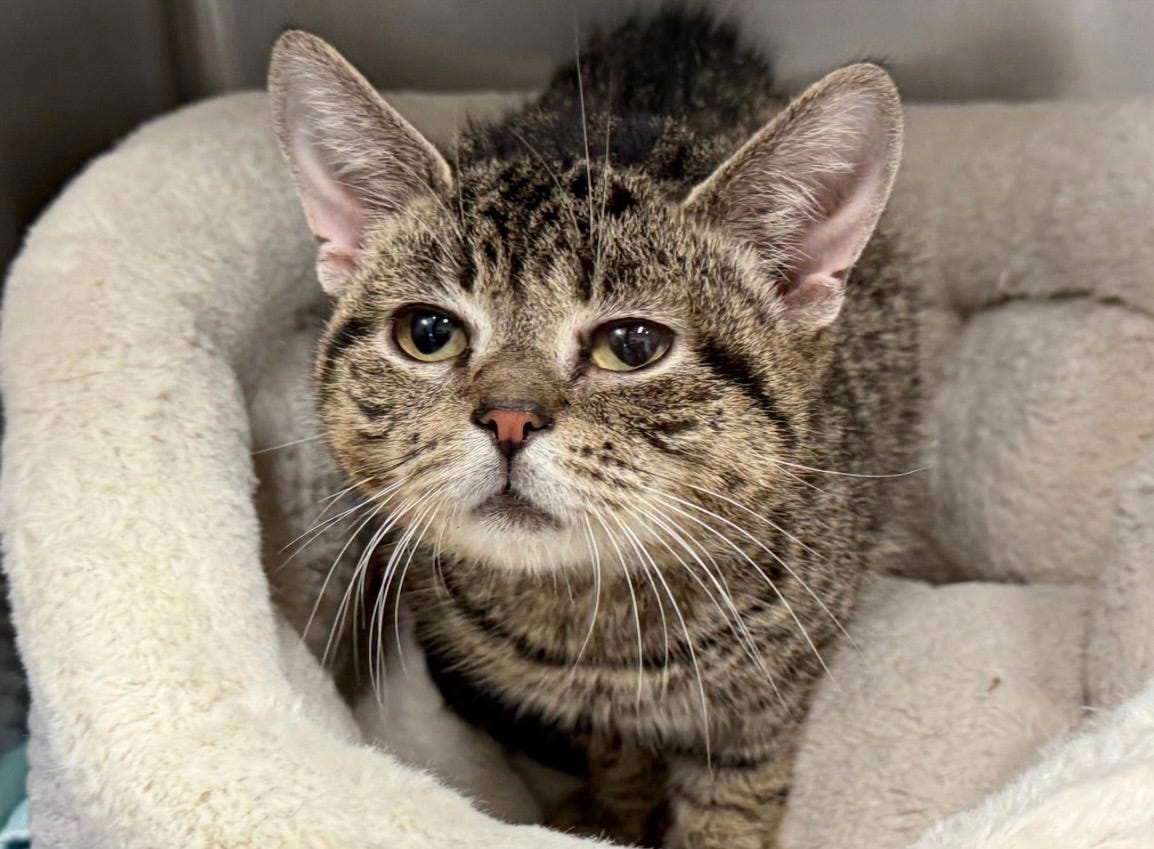
Muneca [263255]: 6 years old; killed September 16. Muneca, admitted because her owner was no longer able to care for her, was a very affectionate and gentle 4.5-pound cat, leaning in for pets and remaining calm when held.
Believed to have hypothyroidism, ACC said she needed a follow-up with repeat bloodwork.
Muneca had a seizure while in ACC’s care. She also had old hindlimb fractures that they believed might make her prone to fractures in the future.
ACC exterminated Muneca on day four because it was easier than treating her or releasing her to people who don’t use illness as an excuse for discretionary killings of once-beloved family pets.
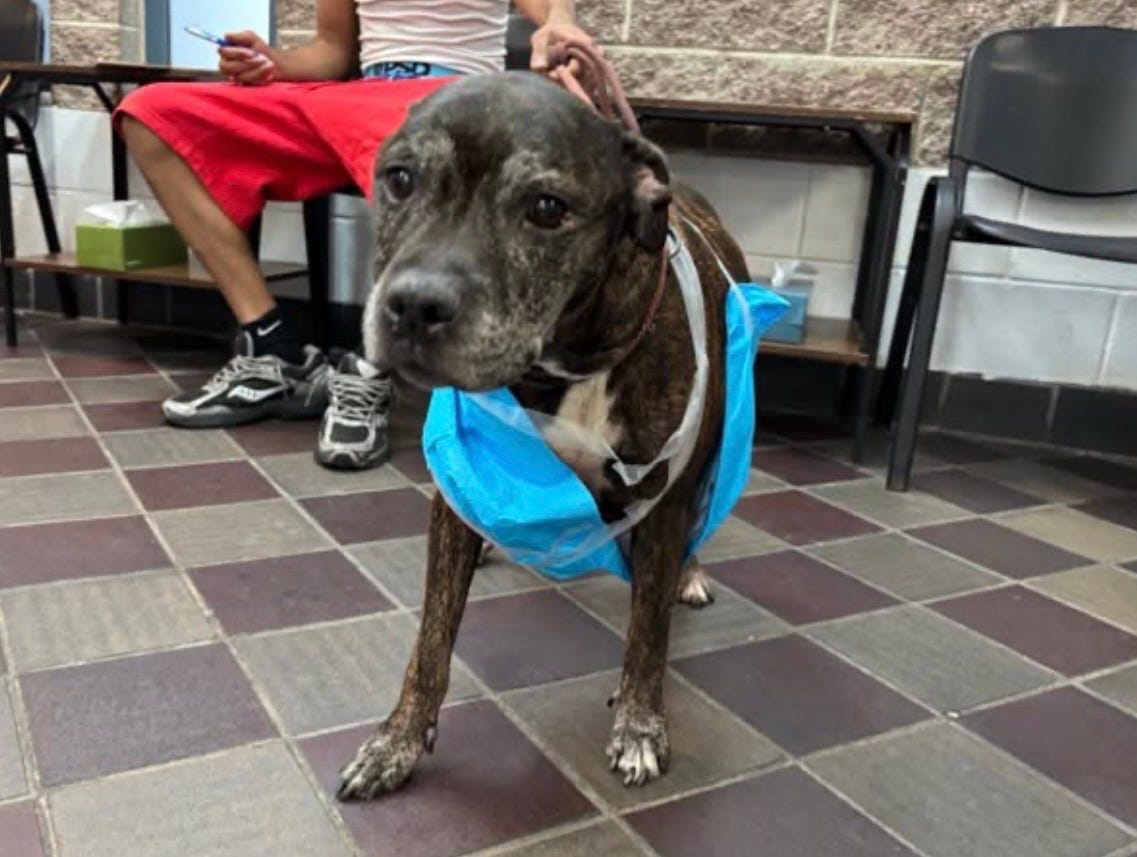
Mistique [264791]: age unknown; killed September 16. Found on September 8, Mistique was an older dog never listed for foster or adoption.
Team Brennen poisoned Mistique to death after eight days.
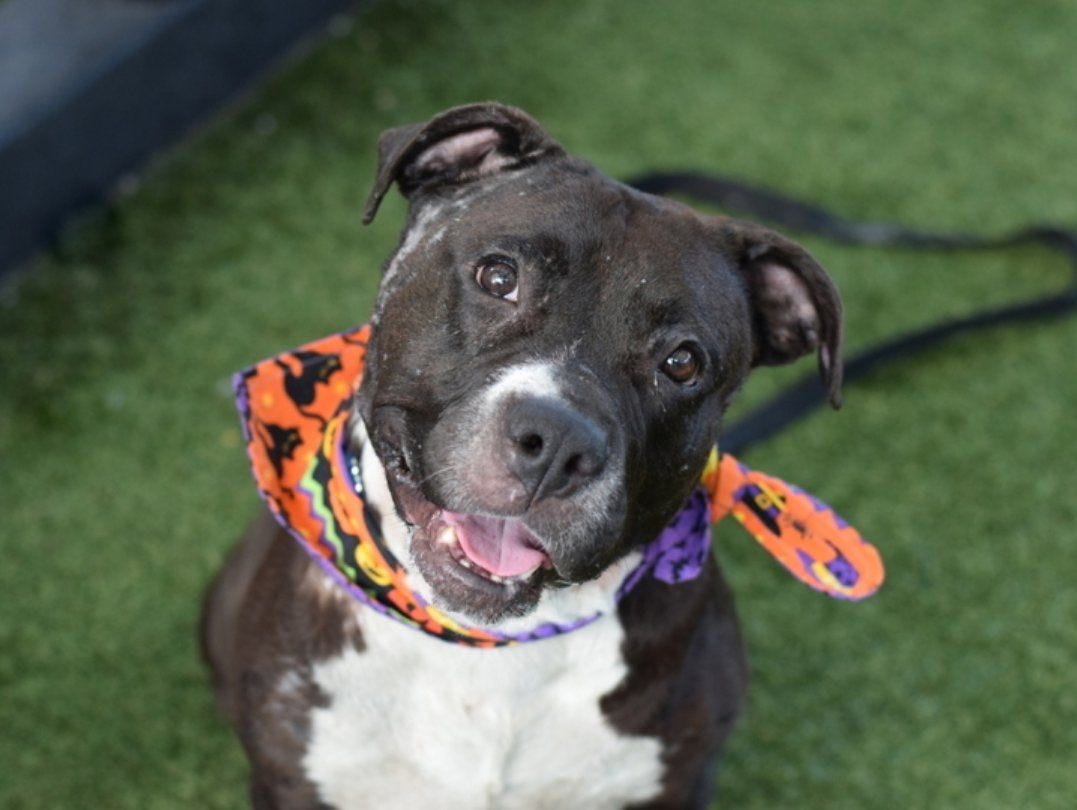
Mac [263476]: 4 years old; killed September 17. Mac was found stray with another dog. The owner, when contacted, said both dogs had been in multiple fights with each other; both had fresh wounds and older scars.
Mac (a girl) had numerous infected wounds to her face, head, neck, and front limbs. ACC flagged Mac for cruelty. She was timid at first, too scared to leave her kennel. After being there about a week, she overcame her fears, became loose and wiggly, easily leashed.
“Before I met Mac yesterday I knew just 2 things about her; that she was at risk for euthanasia and that she and her sister were covered in scars from a fight,” a volunteer wrote. “I try to go into meeting all new dogs with an open mind and no preconceived notions of who they are. I want them to tell me who they are, not notes on paper. But I admit I was still surprised by how much I loved Mac. How much she made me laugh with her flopping around and impersonating a bug on their back, wriggling with all 4 feet reaching to the sky. Mac knows a few things — like how to lay down on cue and how to put on a show for volunteers taking her photos and videos. We giggled and made heart eyes at her as she flopped back dramatically to expose her belly if we paused petting her. The scars covering her face disappeared to my eyes, and all I saw was a happy beautiful girl soaking up attention and love — things that are sparse in the shelter.”
ACC had more cruelty in store for Mac, taking his life from him on day 23.
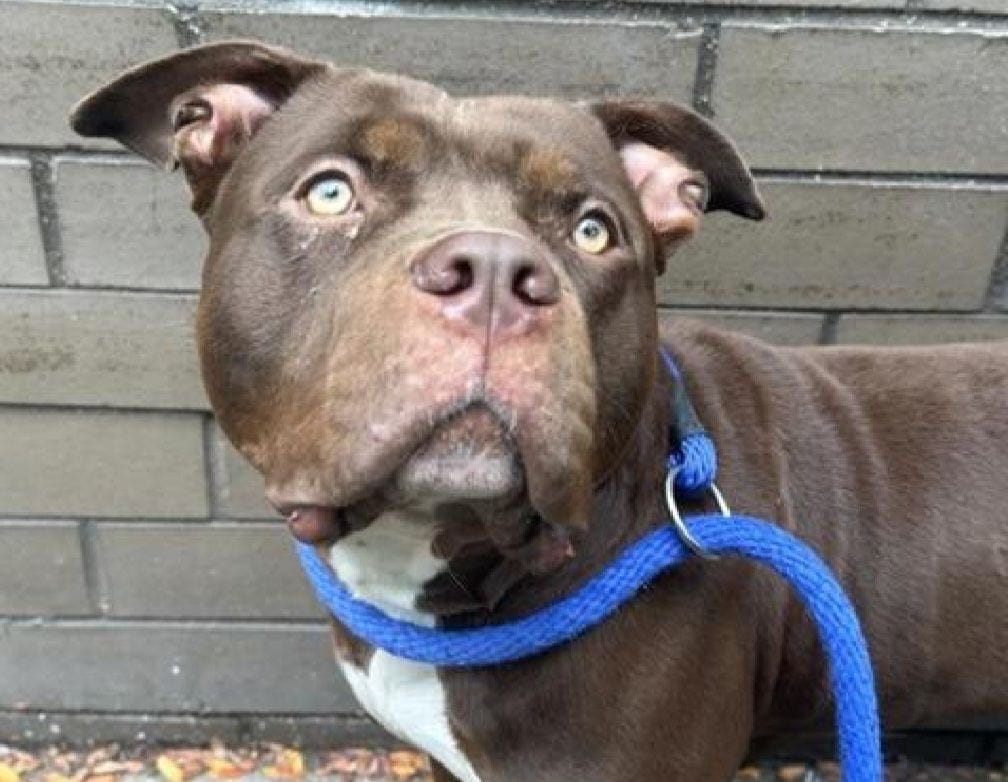
Divinity [263987]: 5 years old; killed September 18. Some dogs don’t need words to describe who they are. Their video says it all. Divinity was one. She was a big gentle love.
ACC said she was fearful, and she was at first, but clearly a people-loving pup who just needed time to feel safe. And when that happened, she would lick your face. A stray, she pulled hard on walks and was choked into unconsciousness at least twice by incompetent ACC staff or untrained volunteers. Surely, the NYC pound can afford a harness.
ACC killed Divinity on day 20, one of seven dogs we know of whom Brennen and company put to death that day.
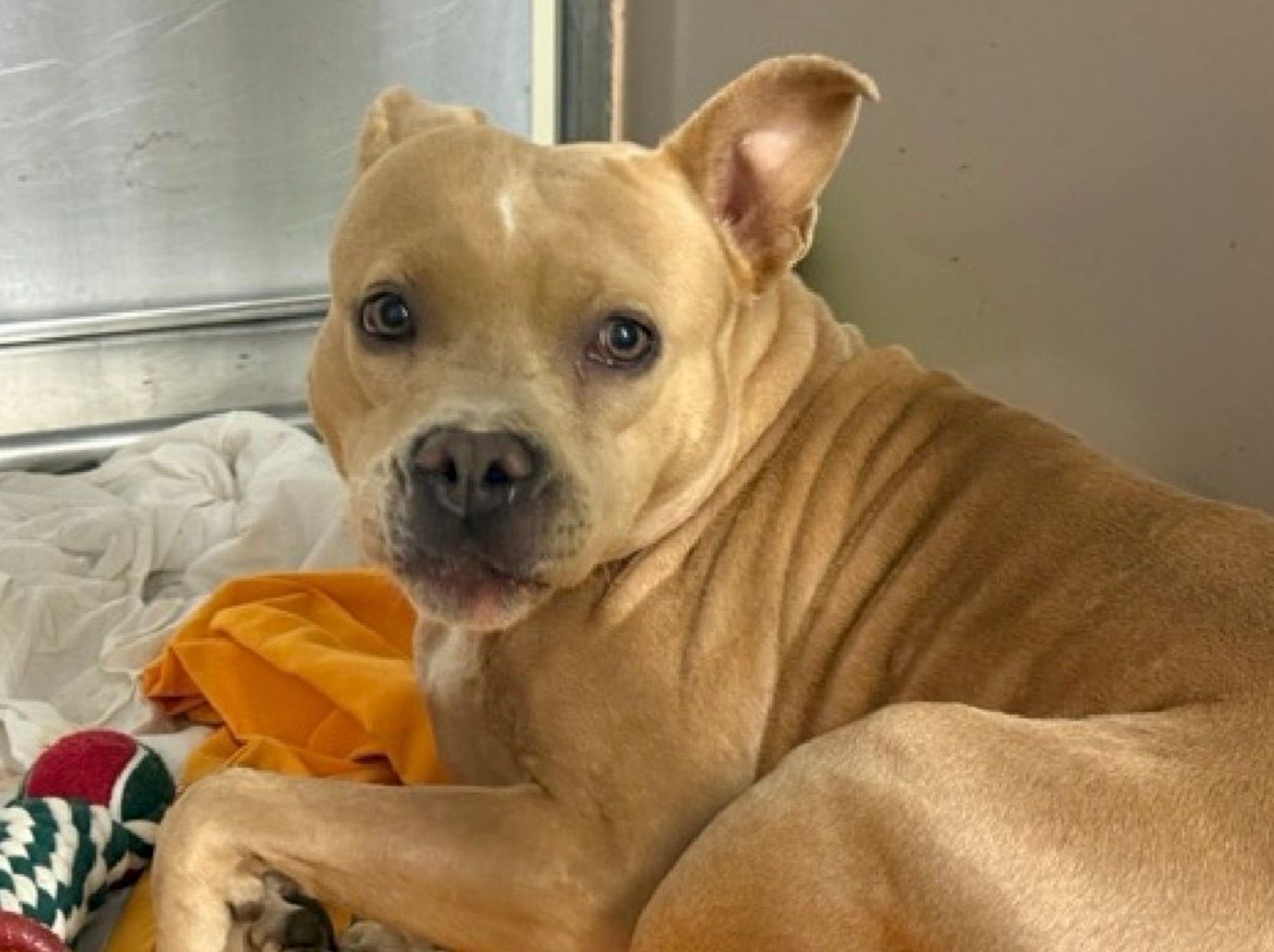
Honeybun [264704]: 5 years old; killed September 18. Honeybun, a stray, got no chances.
On intake, she had deep abrasions on her leg. She was scared. She was also in heat, a time when dogs can experience personality and mood changes, becoming restless, anxious, or irritable due to hormonal surges.
Surrounded by a lot of intact male dogs, Honeybun was stressed, barking, snapping, and sometimes thrashing — all behaviors that could be caused by the hormone changes. Of course, ACC loaded her with human-grade sedatives. What she needed was a human with a heart to give her time.
There being no such humans at ACC, staff killed her on day 13.
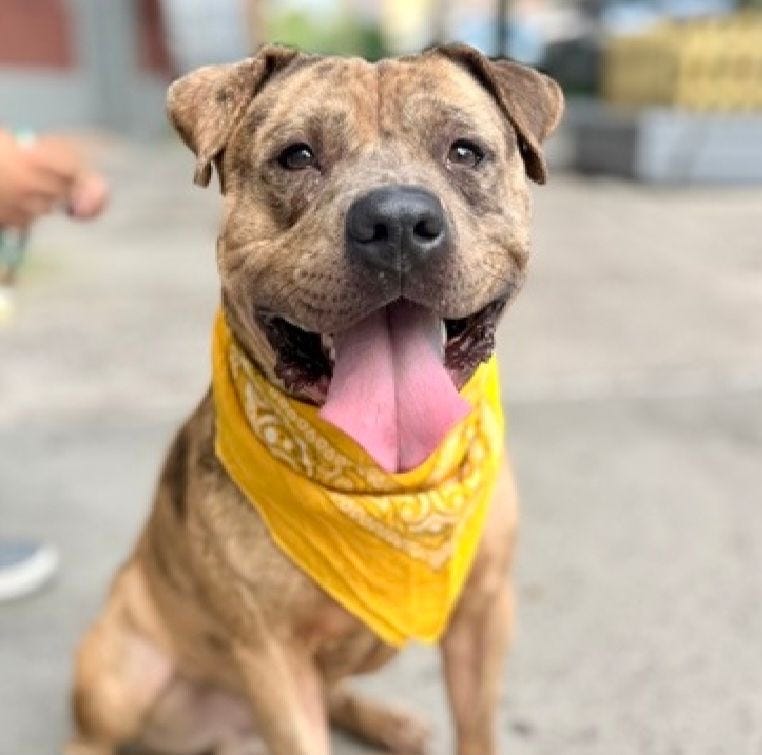
Leopard [259479]: 5 years old; killed September 18. Leopard was found walking alone, in bad condition. He had many infected bite wounds to his face, causing it to swell, and to his ear, which required stitches.
Because they determined his bite wounds to be of unknown origin, officious and lazy city health department drones subjected Leopard to a six-month quarantine, making it harder for him to find a home.
Still, Leopard was social and cooperative, working with a trainer to learn cues and to relax. On walks, he was responsive to handlers, followed commands and looked back for check-ins.
After about a month, ACC claimed Leopard was dog-reactive and increased the Trazodone he was already getting, adding Gabapentin and Clonidine to apply Dr. Brennen’s complete compliance cocktail.
His video is a delight, showing the care-free happy dog he was meant to be.
ACC killed Leopard on day 70.
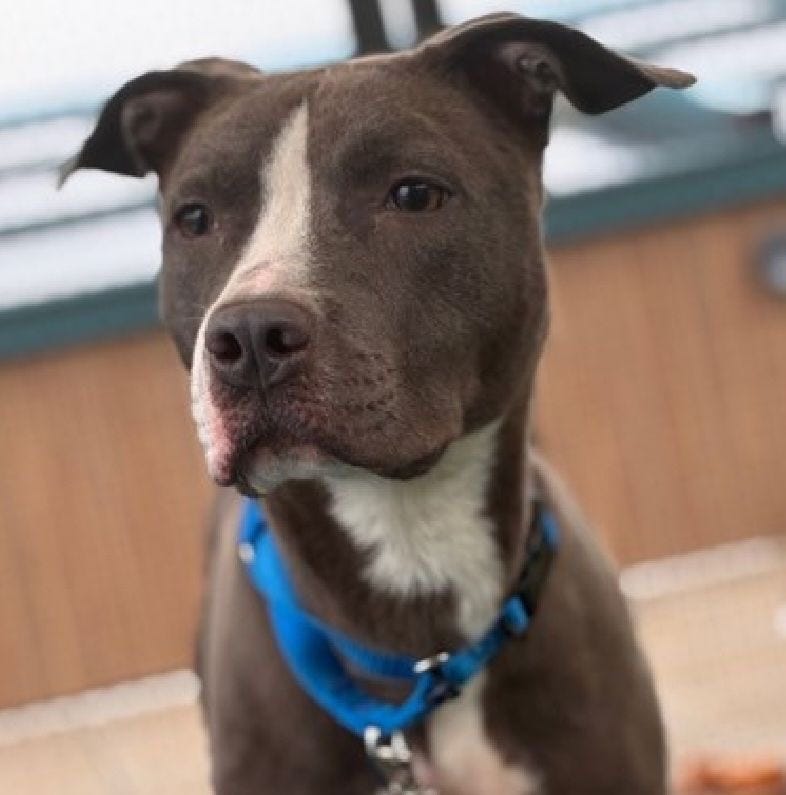
Thunderbird [263913]: 3 years old; killed September 18. ACC said Thunderbird, a stray, was very fearful on intake, but cooperative, and with the help of baby talk and treats quickly warmed up to staff.
She soon became consistently social with handlers, comfortable approaching them for treats and pets. Easily leashed, on walks she ignored people and dogs passing by.
Like many timid dogs, she occasionally had the zoomies and moments of unbridled joy in the play yard, as seen in her video.
ACC killed Thunderbird on day 20.
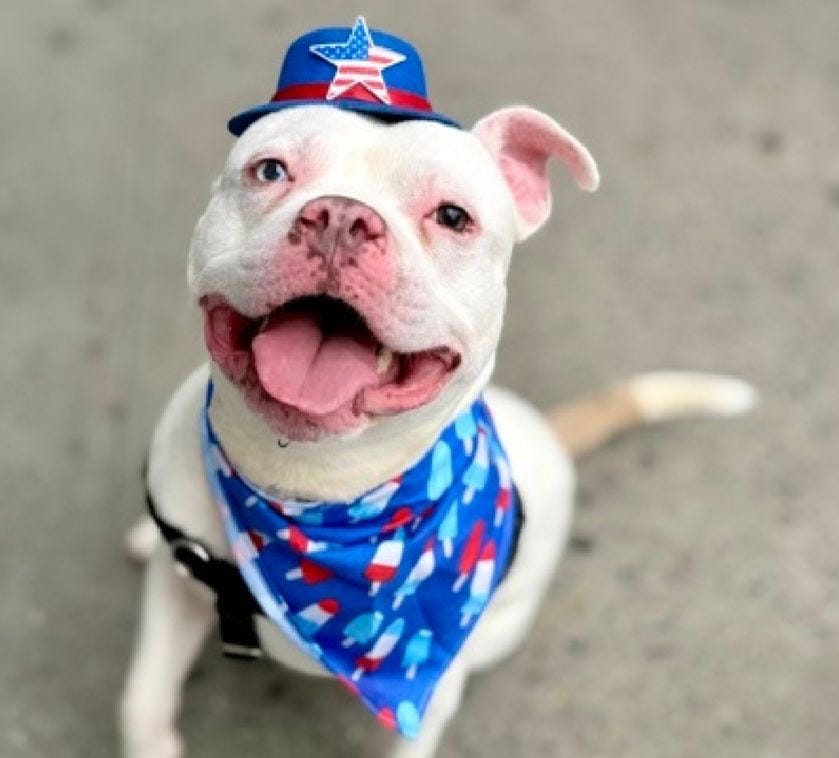
Freddy [260389]: 3 years old; killed September 18. One week, Freddy was the ACC social media poster boy. The next week he was dead.
Freddy came to ACC after his human died. He was a highly spirited pup, social, soft, wiggly, and especially polite when treats were involved. He did well on walks, frequently checking in with his handlers.
In his “at-risk” memo — ACC’s justification for killing a dog — ACC claimed Freddy was “inconsistent in his dog reactivity.” They also said he “displayed overly-aroused, mouthy behavior toward handlers, grabbing onto handler clothing when in the play yard.” That happened once.
ACC’s response was predictable, mega-dosing him with all their favorite sedatives before adding him to the death list.
ACC killed Freddy on day 58.
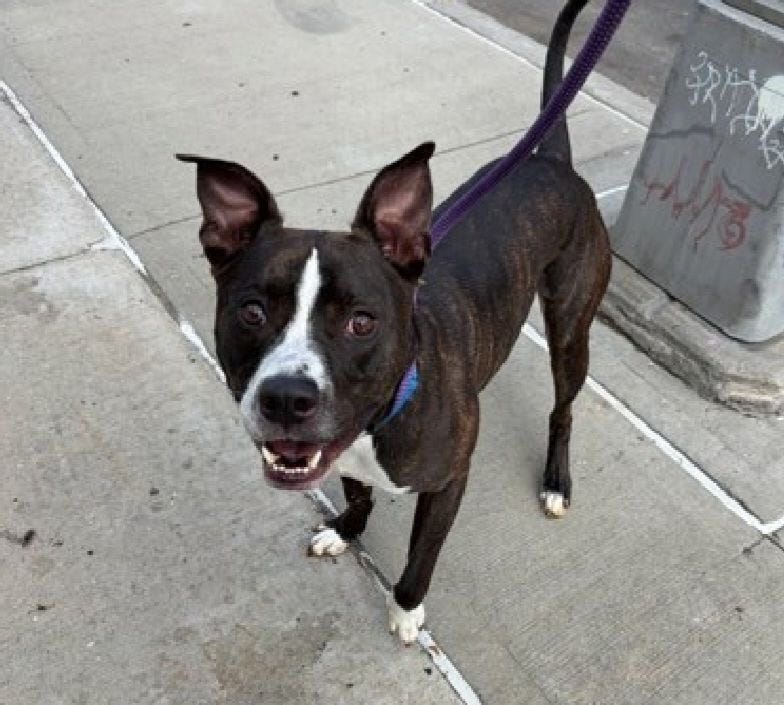
Sir Ace Junior [262677]: 2 years old; killed September 18. Sir Ace Junior was hungry for love (see video), a big cuddle bug in need of a lap, missing his family.
Ace was surrendered due to a no pets policy. His people said he had lots of energy, enjoyed long walks, and loved belly rubs.
At ACC, Ace got no love. They made brief notes on him for only four of the days he was there, noting he was reactive towards other dogs.
Like most dogs who enter filthy ACC facilities, Ace caught CIRDC there.
To make amends for making him sick, ACC exterminated family pet Sir Ace Junior on day 16.

Esquites [264997]: age unknown; killed September 18. Esquites was found on September 11 and killed a week later, a silent kill.
They were never offered for foster or adoption. We don’t even know their sex, as ACC staff didn’t bother to note it on the lost and found record.
Which is just how Mayor Mamdani and Speaker Menin want it.
