

The Scoop New York is an indie non-profit web site and newsletter covering the movement for a true no-kill New York, from BUF to BK.
We take names. We step on toes. We bring receipts.
NYC ACC KILLS, published by TSNY, enumerates and memorializes adoptable cats and dogs who were nonetheless exterminated by Animal Care Centers of New York City.
Every Monday, NYC ACC KILLS subscribers receive The Weekly Carnage: bios, photos and videos of adoptable cats and dogs known to be recent ACC victims. Subscribers also get monthly memoriam posts that include ACC data summaries along with an updated compendium of animals whose lives were ended by ACC that month. Videos from current and prior months may also be found on The Scoop New York’s YouTube channel.
For more New York companion animal news, follow NYC ACC KILLS and The Scoop New York on social media.
About NYC ACC KILLS memoriam posts
Like virtually all New York City officials, including Mayor Zohran Mamdani, NYC ACC staff as a rule do not respond to uncomfortable questions concerning the city kill pound. Information in NYC ACC KILLS memoriam posts, therefore, is drawn from reader tips, records ACC has chosen or is required to make public, and the ACC “at-risk outcomes” list.
As evidenced by its monthly and annual outcome data reports, ACC kills far more cats and dogs than appear on the at-risk list. ACC exterminates many healthy and adoptable cats and dogs without first offering them for adoption. Victims of this ACC practice are known among advocates as “silent kills.”
ACC will often spay or neuter a cat or dog only to exterminate her or him during recovery, or soon after. This practice is known as “spay-neuter-kill.”
Known silent kills and spay-neuter-kill victims are identified as such by NYC ACC KILLS.
Since cats are underrepresented on ACC’s “at-risk outcomes” list, they are also underrepresented here.

Due to gaps in ACC record-keeping, memoriam posts are, sadly, bound to be incomplete. The Scoop New York continually adds names and images of ACC victims to NYC ACC KILLS as we find them. Follow NYC ACC KILLS and The Scoop New York on social media for updates.
If you’re with a rescue, or you’re an NYC ACC volunteer, and would like to contribute images of exterminated cats and dogs — or tell us about your experience working with ACC — please contact The Scoop New York. Discretion guaranteed.
A note about names: Many animals come to NYC ACC with unknown histories, including their names. In addition, ACC does not always use the name a cat or dog is accustomed to, even if the agency knows what it is. As a result, many animals exterminated by ACC are never properly identified. Unfortunately, for the most part NYC ACC KILLS has only the names provided by ACC, even if those names are incorrect or nonsensical. ACC-assigned names are presented here without quotation marks unless TSNY can confirm an animal was known by a different name when admitted to ACC.
ACC operates under putative supervision by the New York City Department of Health and Mental Hygiene, which endorses the publicly-funded killing of healthy and adoptable cats and dogs at will and with impunity.
CHIEF NYC ACC VETERINARIAN
Robin Brennen: Email 1, 2
OFFICIALS RESPONSIBLE FOR NYC ACC OVERSIGHT
Mayor Zohran Mamdani: Contact form
City Council Speaker Julie Menin: 212-788-7210; Email
Council health chair Lynn Schulman: 212-788-6981; Email
Comptroller Mark Levine: 212-669-3916; Contact forms
Public Advocate Jumaane Williams: 212-669-7250; Email
City Council members: Lookup
Borough presidents: BX; BK; MN; SI; QS
NYC DOH Commissioner Alister Martin: 311; Contact form
NYC DOH ACC minder Corinne Schiff: 646-632-6496; Email

In memoriam
CATS
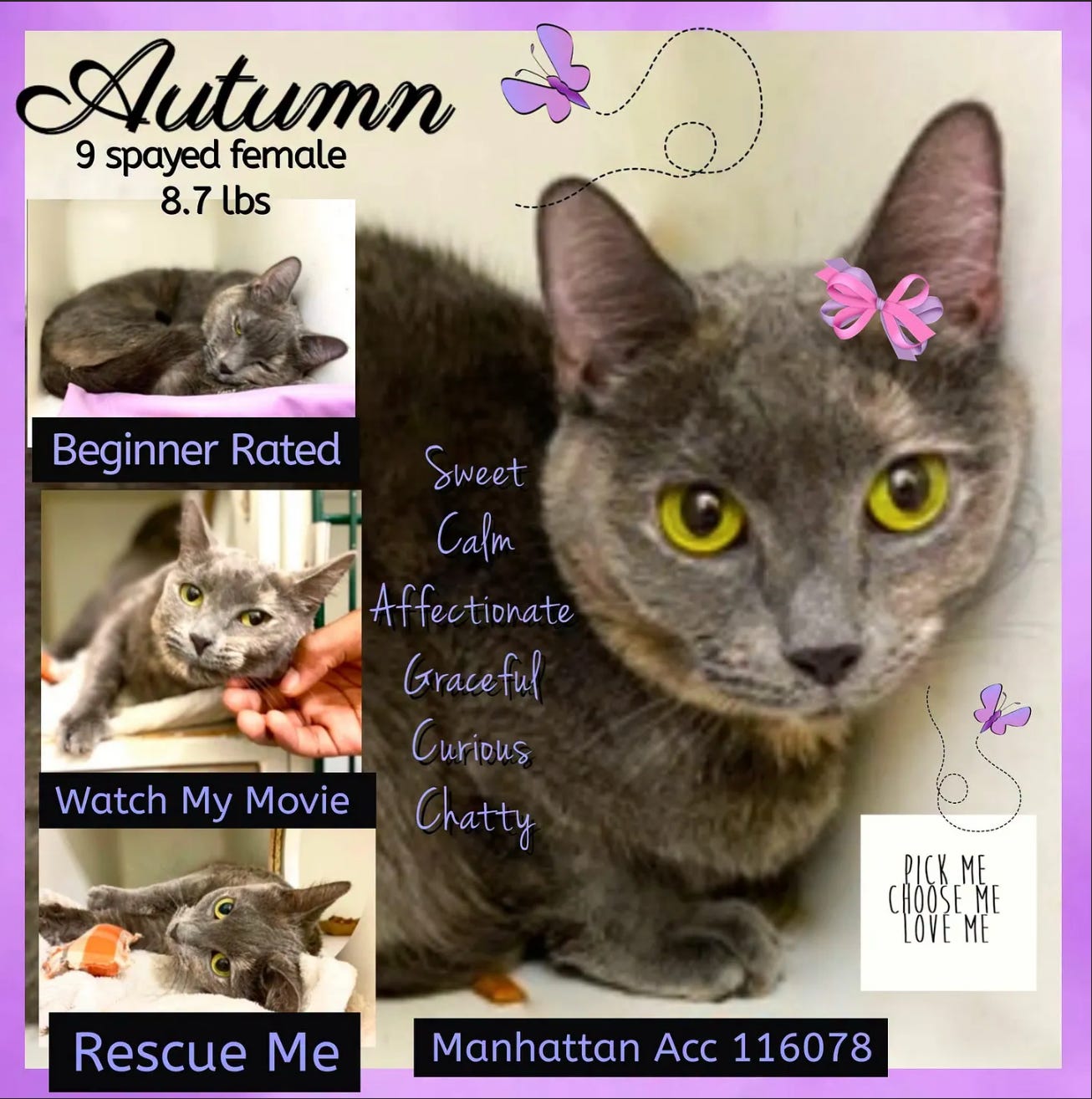
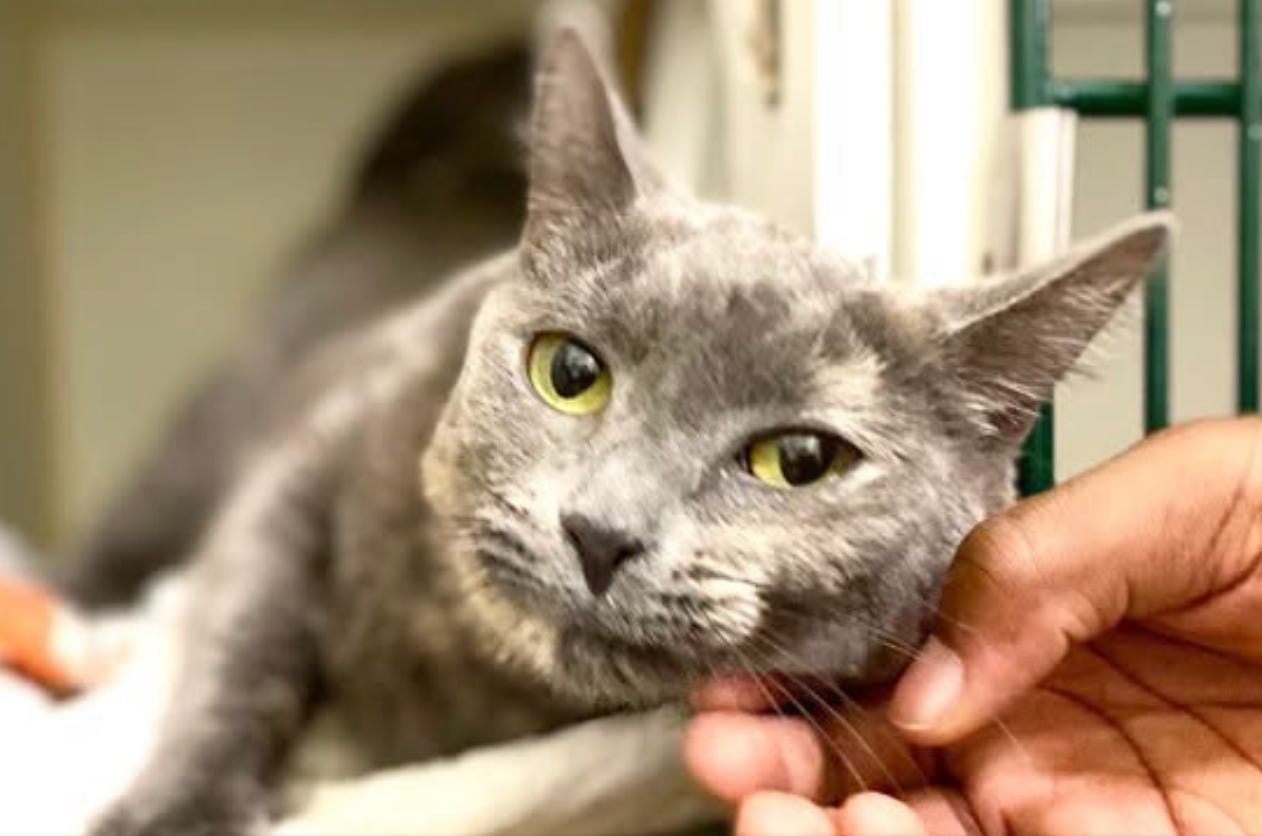
Autumn [116078]: 9 years old; killed June 20
Adopted from ACC five years earlier, after being abandoned in an apartment, Autumn came to ACC this time as an underweight stray with a large scabbed-over wound to her head. She was soliciting attention and allowed all handling.
ACC killed Autumn seven days after she was found, never listing her for foster or adoption — a silent kill.
Dr. Robin Brennen’s vet team exterminated 9-year-old stray Autumn after a week, without offering her for adoption or fostering — a common ACC practice known as a “silent kill.”
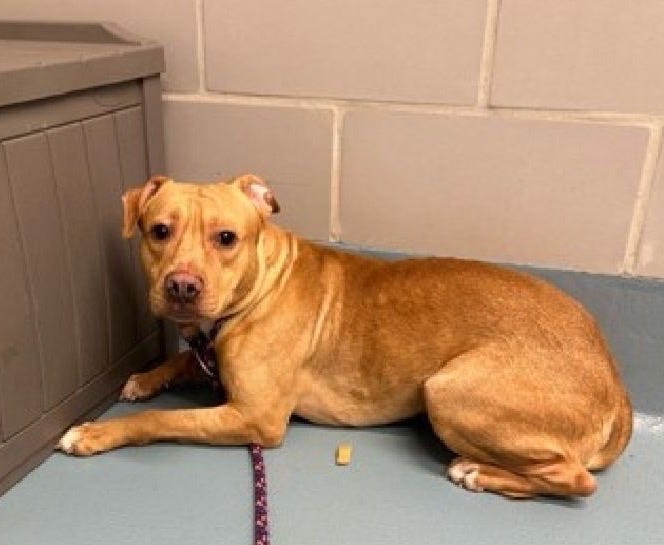
Mello [255500]: 2 years old; killed June 14
Mello’s human passed away and he was taken to ACC where he was so scared he peed on himself. Often trembling or frozen with fear, never growling or defensive, he was slowly beginning to trust people.
Mello’s real breakthrough came when he was introduced to another dog on June 7. When he came out of his shell and got brave and bouncy, the handlers supervising the dogs at play cried.
ACC killed Mello a week later, on day 18.

Spud [252206]: 1 year old; killed June 16
At 10 months old, Spud was dropped off at a police station by someone who provided no information about him. A volunteer said, “This little potato is Spud and though he’s the same color as a tater, his puppy body still hasn’t filled out like one. And all puppy he is: sweet, playful and loaded with fun.”
Given a day outside the shelter, his Boroughbreak buddy said, “Spud is the sweetest boy! I don’t think his tail stopped wagging once the entire BoroughBreak. He is a big ball of puppy energy and a stick finder extraordinaire and while he may still need to brush up on his manners (jumping/being a bit mouthy) you can tell he has so much love to give and will be so devoted to whoever his lucky people are! Spud was also great on the leash for the most part. He only pulled when he got a bit too excited about a dog or person, and he checked in with us often (though sometimes with the help of some treats!). He is so curious and playful, you can’t help but smile when you’re around him.”
Spud, ACC wrote, “is an energetic, expressive boy who shows a big personality and a lot of enthusiasm for life. In calmer moments, he is eager for attention, checks in with his handler, and clearly enjoys being part of what is going on around him.”
ACC killed “highly social” Spud on day 63, citing their often-used excuse of leash biting, and claiming he attempted to bite another dog.
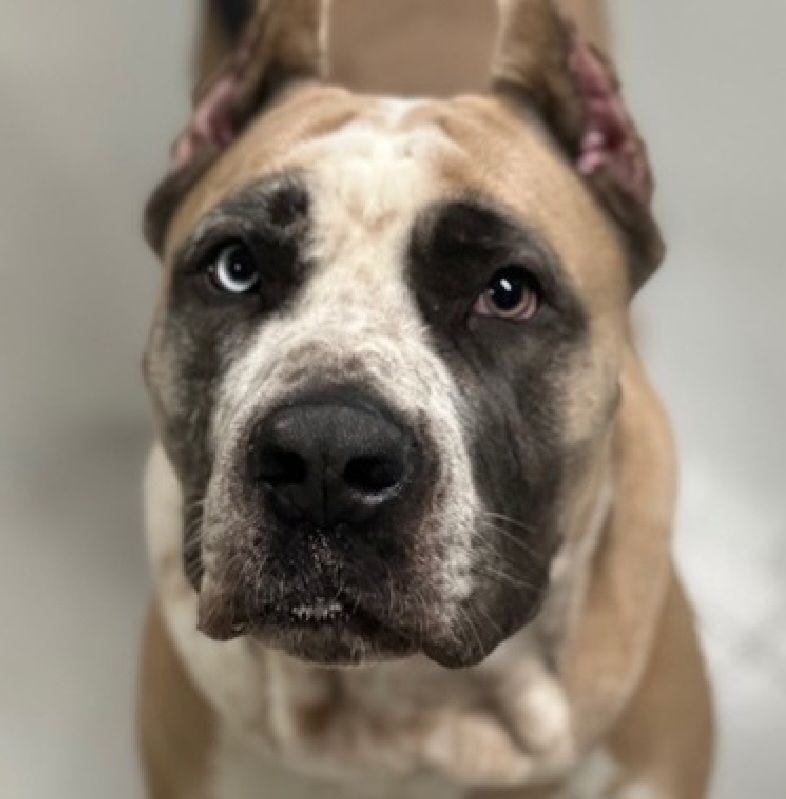
“Diane” [255831]: 3 years old; killed June 16
Diane, fka Bella, was adopted from ACC last summer and came back as a stray, wearing a prong collar.
On intake she was tense but showed interest in the squeaky toys. Fearful when being leashed, once out of her kennel she became loose and wiggly and leaned in for pets from familiar handlers.
Conflicted by fear and a desire for human contact, Diane needed time to decompress. ACC killed her on day 17.

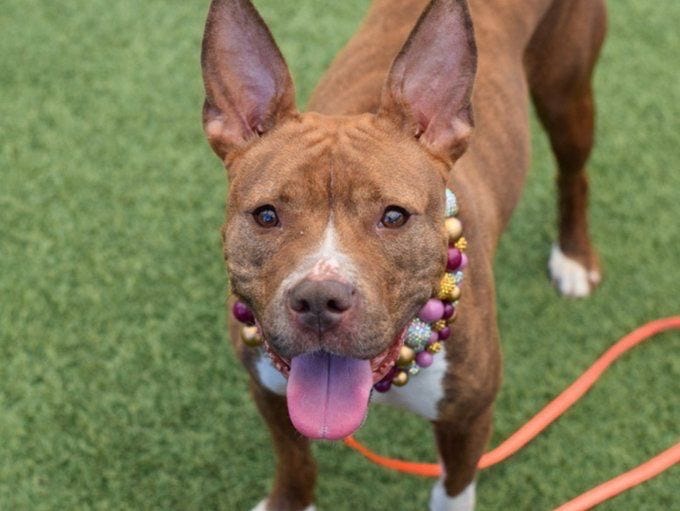
Charlotte [253896]: 4 years old; killed June 16
Charlotte was shy and fearful, but a volunteer said, “When I meet Charlotte she is on the lap of another volunteer in the yard. I see her tail wagging as I come in, and she hops off to greet me. Charlotte has a secret, and it’s her fantastic ears! I spend most of our time together making silly noises, trying to get them to pop up and reveal themselves. They are as tall as the rest of her face …
“I don’t see much of her fearful side when we meet. I see the side of her that clings to our bodies even on one of the hottest days we’ve ever had. She takes breaks to run around the yard after toys, panting in the heat before settling back at our feet to get her belly rubbed.”
When Charlotte was found, the person reported she was afraid of the police, so the finder took her in for a night. Calm in their presence, they noted she was fearful of their father.
ACC killed Charlotte on day 41.

Goku [245540]: 4 years old; killed June 18
Goku came to ACC in January, an underweight stray with a wound between his eyes that kept reopening. They neutered him in March. In May he collapsed while walking, was unresponsive and urinated on himself; it was his second collapse while at ACC. They didn’t determine the cause but placed a “seizure watch” flag on his kennel and a few days later added Gabapentin to the sedatives Trazodone and Clonidine, which they were already giving him.
An ACC staff member writes, “A volunteer describes Goku as quietly endearing, especially noting his soft, expressive ‘puppy dog eyes’ that immediately draw people in. One of his standard behaviors is how clearly he learns routines, particularly offering his paw with precision to the first person who rewards him. Despite arriving scared and overwhelmed from multiple transitions, he has started to show moments of trust and connection with familiar handlers. Volunteers note that beneath his initial worry, there is a sweet, observant dog who is beginning to enjoy human interaction and is ready to continue blossoming in a stable home.”
After failing to place him for nearly half a year, ACC put Goku on the “at-risk” list for “shelter deterioration,” stating that he was licking the kennel wall and glass and barking and jumping at the kennel doors. “Handlers have also needed to use distractions when leashing Goku due to leash biting,” they wrote.
Team Brennen exterminated Goku on day 157. On the day they killed him, Goku was still listed as adoptable and in good health. Like so many ACC victims, he was killed for space.
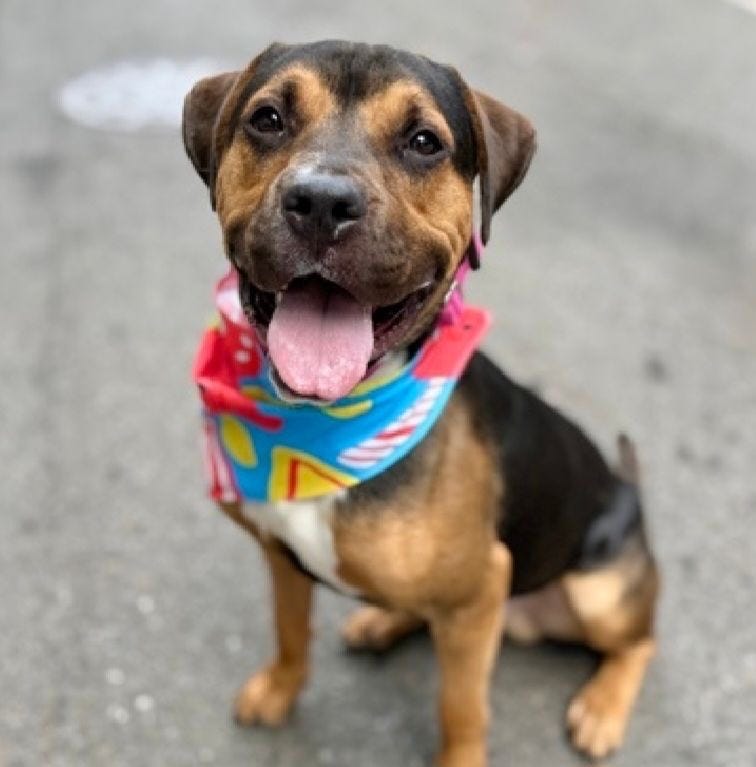
Knock Knock [250519]: 1 year old; killed June 18
Knock Knock lived happily with four children before he was surrendered to ACC at 10 months old because he was fearful of strangers. Very afraid on intake, Knock Knock soon became social with most handlers and loved playing with other dogs at ACC.
They wrote, “Knock Knock lives up to his name because when he is excited, he is basically ‘knocking’ at life with his whole body, ready to play, ready to greet and always ready to say hello first.”
Loose and wiggly, easily leashed, and an “easy walk” on the streets, puppy Knock Knock was destroyed on day 82.
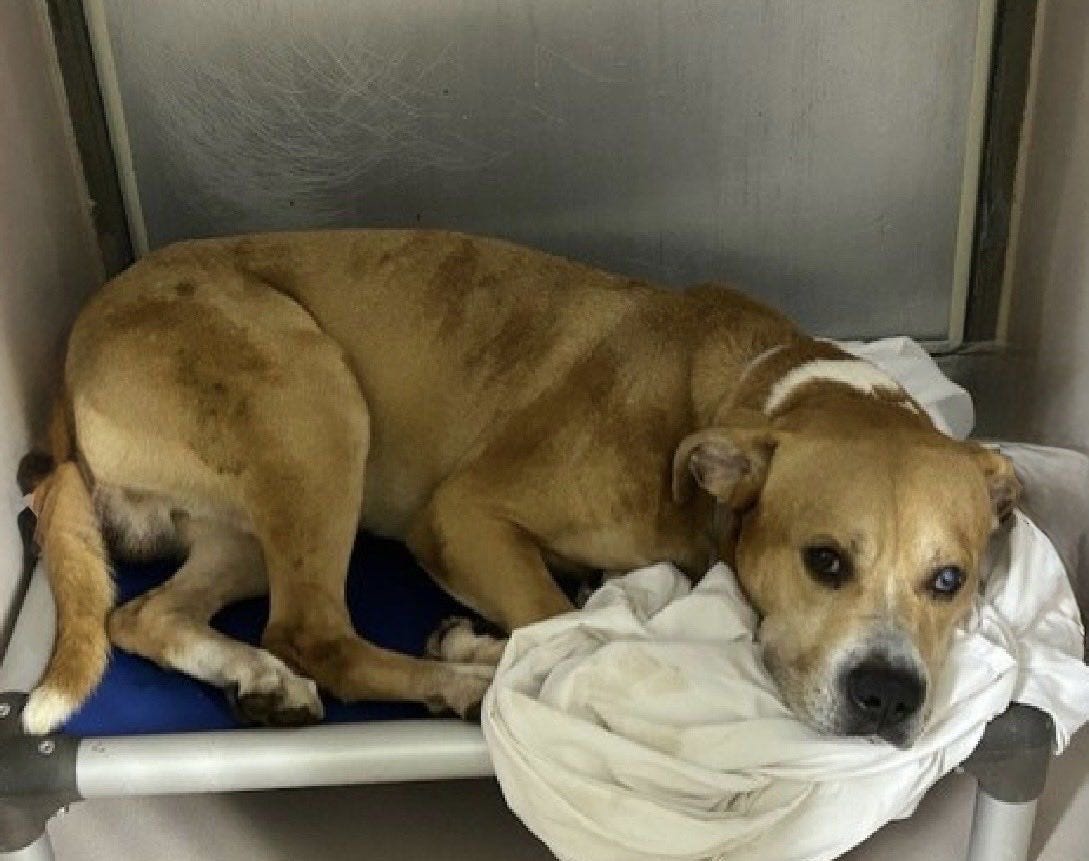
Nomel [254427]: 3 years old; killed June 20
Nomel, a stray found tied up, was said by a volunteer to be a “gentle soul” who tried to give paw when receiving a treat, sometimes missed but tried again.
At ACC he was afraid and “skittish outside but easy to walk,” not reactive to people or other dogs. He did well on his dog/dog greet at ACC.
ACC killed Nomel on day 38, without declaring him “at-risk” or giving him a chance to be networked and find a home.
