

The Scoop New York is an indie non-profit web site and newsletter covering the movement for a true no-kill New York, from BUF to BK.
We take names. We step on toes. We bring receipts.
NYC ACC KILLS, published by TSNY, enumerates and memorializes adoptable cats and dogs who were nonetheless exterminated by Animal Care Centers of New York City.
Every week, NYC ACC KILLS subscribers receive The Weekly Carnage: bios, photos and videos of adoptable cats and dogs known to be recent ACC victims. Subscribers also get monthly memoriam posts that include ACC data summaries along with an updated compendium of animals whose lives were ended by ACC that month. Videos from current and prior months may also be found on The Scoop New York’s YouTube channel.
For more New York companion animal news, follow NYC ACC KILLS and The Scoop New York on social media.

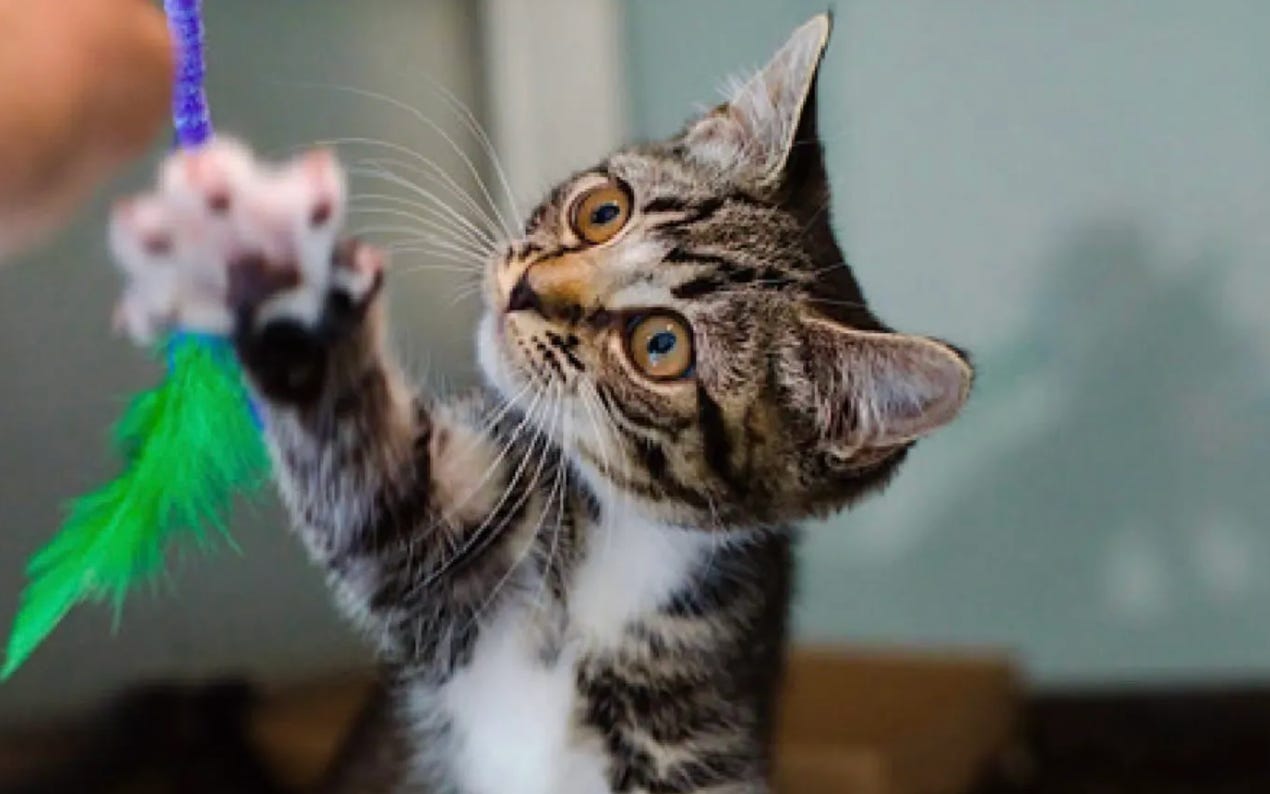
About NYC ACC KILLS memoriam posts
Like virtually all New York City officials, including Mayor Zohran Mamdani and City Council Speaker Julie Menin, NYC ACC staff as a rule do not respond to uncomfortable questions concerning the kill pound they’re responsible for. Information in NYC ACC KILLS memoriam posts, therefore, is drawn from reader tips, records ACC has chosen or is required to make public, and the ACC “at-risk outcomes” list.
As evidenced by its monthly and annual outcome data reports, ACC kills far more cats and dogs than appear on the at-risk list. ACC exterminates many healthy and adoptable cats and dogs without first offering them for adoption. Victims of this practice are known among advocates as “silent kills.”
Under direction from higher-ups including chief DVM Robin Brennen, ACC will often spay or neuter a cat or dog only to exterminate her or him during recovery, or soon after. This practice is known as “spay-neuter-kill.”
Known silent kills and spay-neuter-kill victims are identified as such by NYC ACC KILLS.
Since cats are underrepresented on ACC’s “at-risk outcomes” list, they are also underrepresented here.

Due to ACC obfuscation and gaps in record-keeping, memoriam posts are, sadly, bound to be incomplete. The Scoop New York continually adds names and images of ACC victims to NYC ACC KILLS as we find them. Follow NYC ACC KILLS and The Scoop New York on social media for updates.
If you’re an NYC ACC networker or volunteer and would like to contribute information on exterminated cats and dogs, or share your experience working with ACC, we want to hear from you. Discretion guaranteed.
A note about names: Many animals come to NYC ACC with unknown histories, including their names. In addition, ACC does not always use the name a cat or dog is accustomed to, even if the agency knows what it is. As a result, many animals exterminated by ACC are never properly identified. Unfortunately, for the most part NYC ACC KILLS has only the names provided by ACC, even if those names are incorrect or nonsensical. ACC-assigned names are presented here without quotation marks unless TSNY can confirm an animal was known by a different name when admitted to ACC.
ACC operates under putative supervision by the New York City Department of Health and Mental Hygiene, which endorses the publicly-funded killing of healthy and adoptable cats and dogs at will and with impunity.
CHIEF NYC ACC VETERINARIAN
Robin Brennen, Sr VP Animal Health & Welfare: Email 1, 2
OFFICIALS RESPONSIBLE FOR NYC ACC OVERSIGHT
NYS Ag Commissioner Richard Ball: 518-457-2771; Email
Mayor Zohran Mamdani: Contact form
City Council Speaker Julie Menin: 212-788-7210; Email
Council health chair Lynn Schulman: 212-788-6981; Email
Comptroller Mark Levine: 212-669-3916; Contact forms
Public Advocate Jumaane Williams: 212-669-7250; Email
City Council members: Lookup
Borough presidents: BX; BK; MN; SI; QS
NYC DOH Commissioner Alister Martin: 311; Contact form
NYC DOH ACC minder Corinne Schiff: 646-632-6496; Email

In memoriam
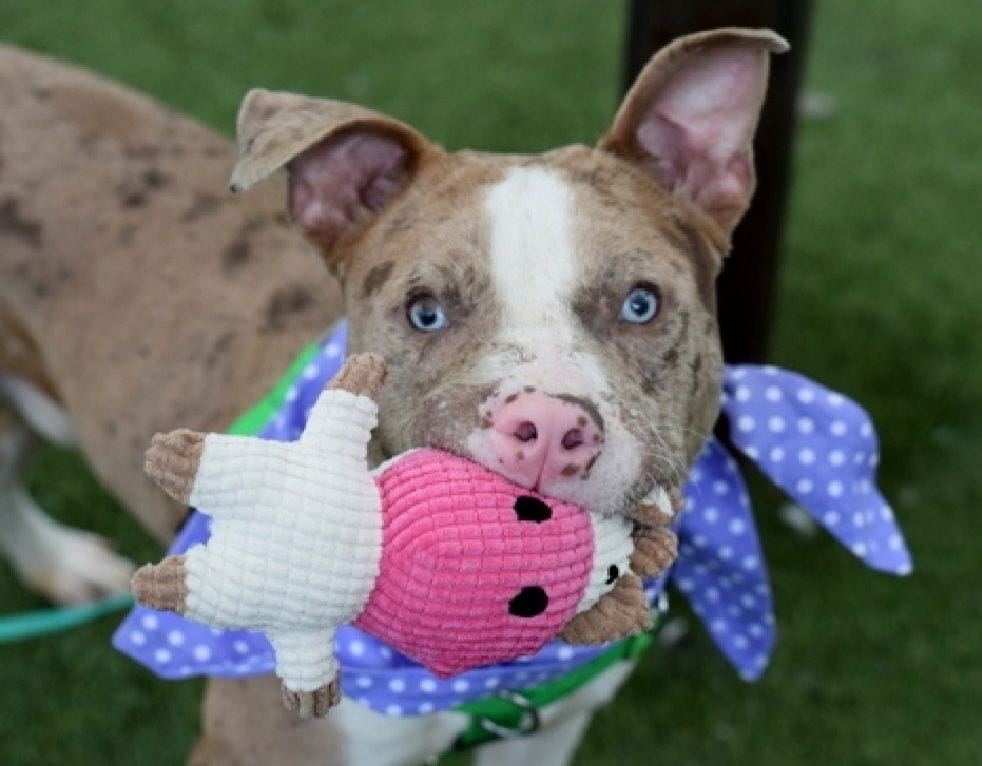
Merlot [252448]: 2 years old; killed July 20. Merlot, a stray, was friendly and allowed all handling on intake to ACC. “We meet Merlot after a long day of taking pictures and videos and he’s exactly what we needed to end the day on,” a volunteer said. “He poses and charms and does all the things to quickly get us enamored with him. He is nothing like his sophisticated name implies and way more puppy that anything. He plays with a toy that matches his pink nose and brown spots perfectly, army crawls around the yard and props in our lap for cuddles. We are smitten and we predict that he will be adopted quickly and he is. What we didn’t foresee however, was that he’d be returned not too long later and in search of a home once again.”
Merlot’s adopter of two weeks said that he was sweet and affectionate, but he had separation anxiety causing him to have accidents, and guarded his toys.
Still very social with staff on his return to ACC, Merlot was enrolled in their Shelter Scholar program, making progress on learning to give up his toys politely and leave a treat untouched.
ACC said he enjoyed training and learned new cues readily. What Merlot didn’t want to do was to go back into his kennel, “often pancaking and requiring multiple handlers, treat trails, or coaxing to complete kennel re-entry.” ACC killed Merlot on day 67.
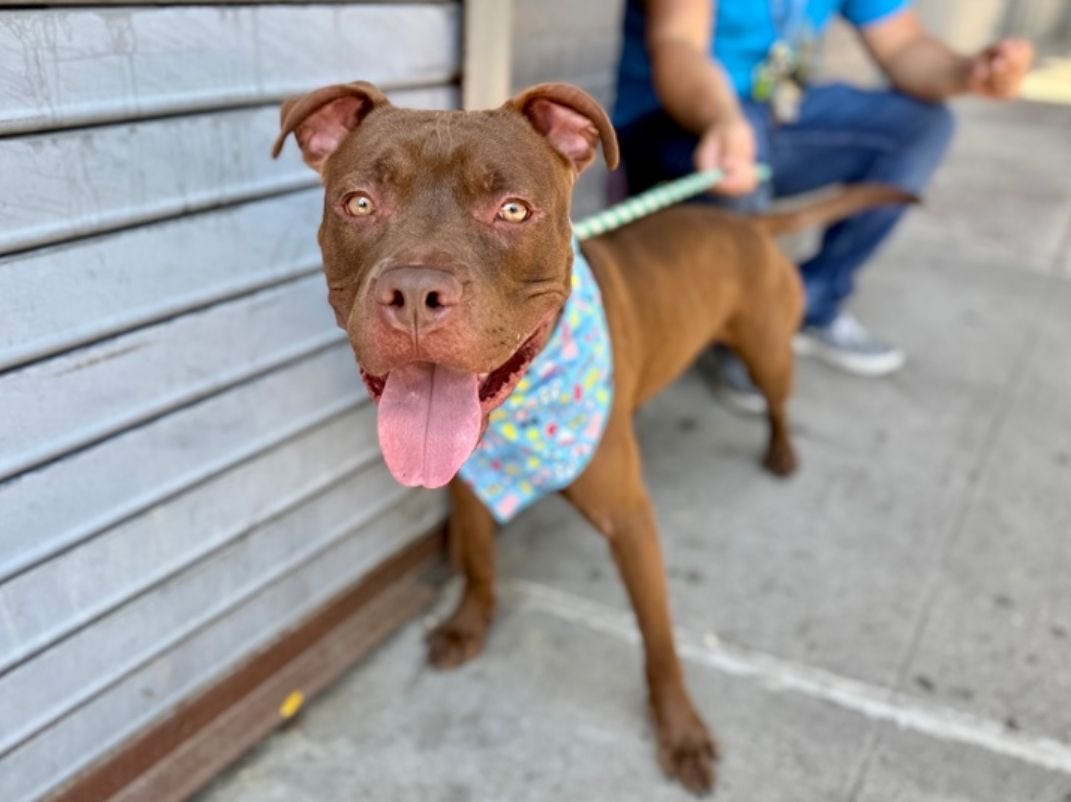
Hershey [254169]: 1 year old; killed July 20. Hershey lived happily with four kids, a dog, and a cat, surrendered to ACC because his owner was ill. They said Hershey liked to hug and cuddle in bed, was very social, although he could be shy with strangers.
On intake, Hershey was friendly, allowed all handling. Staff wrote that he had “a big personality and an even bigger heart.”
Still a high energy puppy, Hershey would jump with enthusiasm and needed to work on his manners, they said. Over time, he became stressed and dog-reactive, pulling toward other dogs in the kennel.
For this, Dr. Robin “Solely Interested in Life-Saving” Brennen had Hershey put to death on day 52.
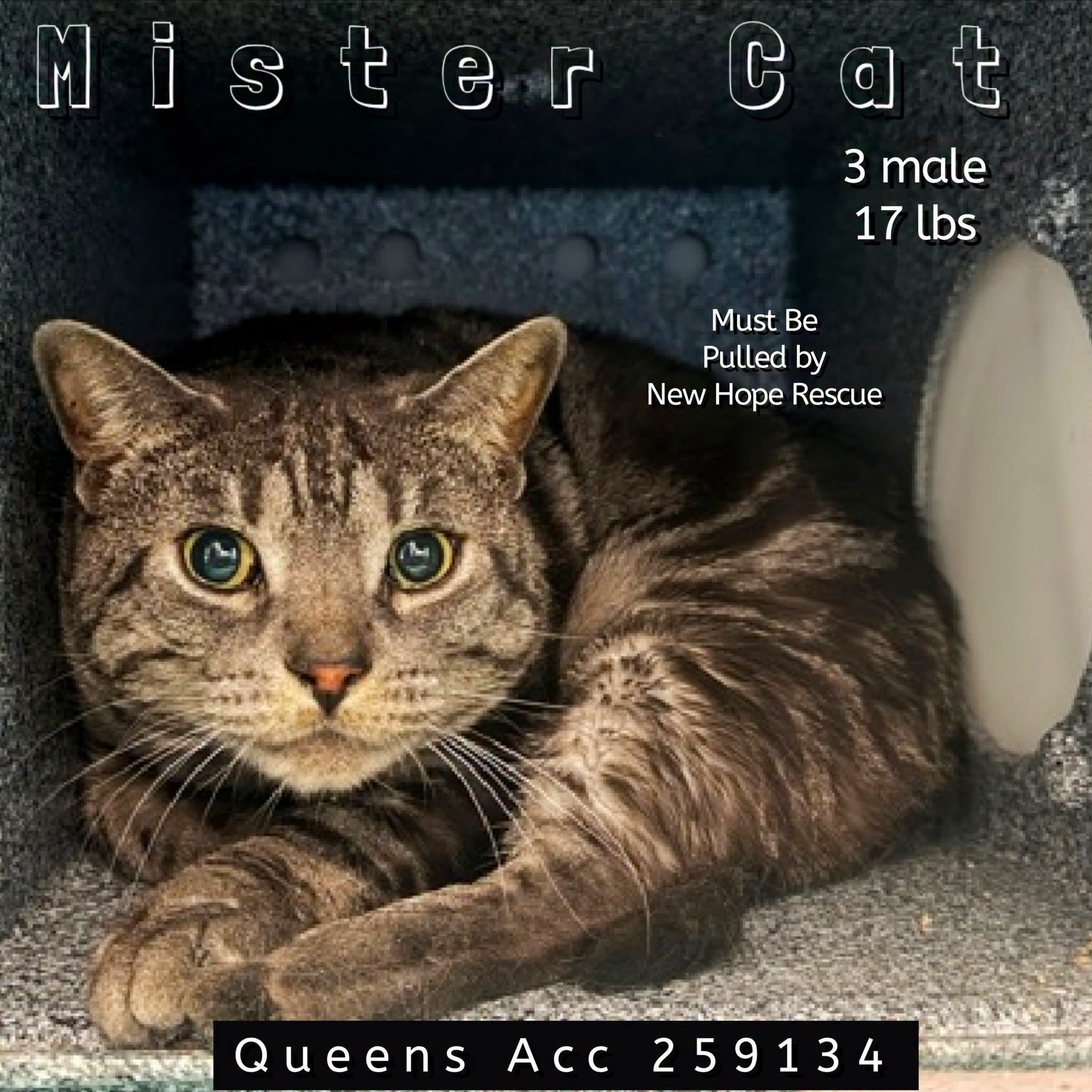
Mister Cat [259134]: 3 years old; killed July 21. Mister Cat, described as an “an independent and bold” cat by his owner, was stressed and dehydrated at ACC, an obese cat with a very poor appetite.
ACC said his “behavior [was] not amenable to fluid administration,” which implies he was denied medical care. despite the supposed presence of supposed veterinarians.
They also didn’t put him on the “at-risk” list to find a foster or adopter. Instead ACC killed Mister Cat on day 13, a silent kill.
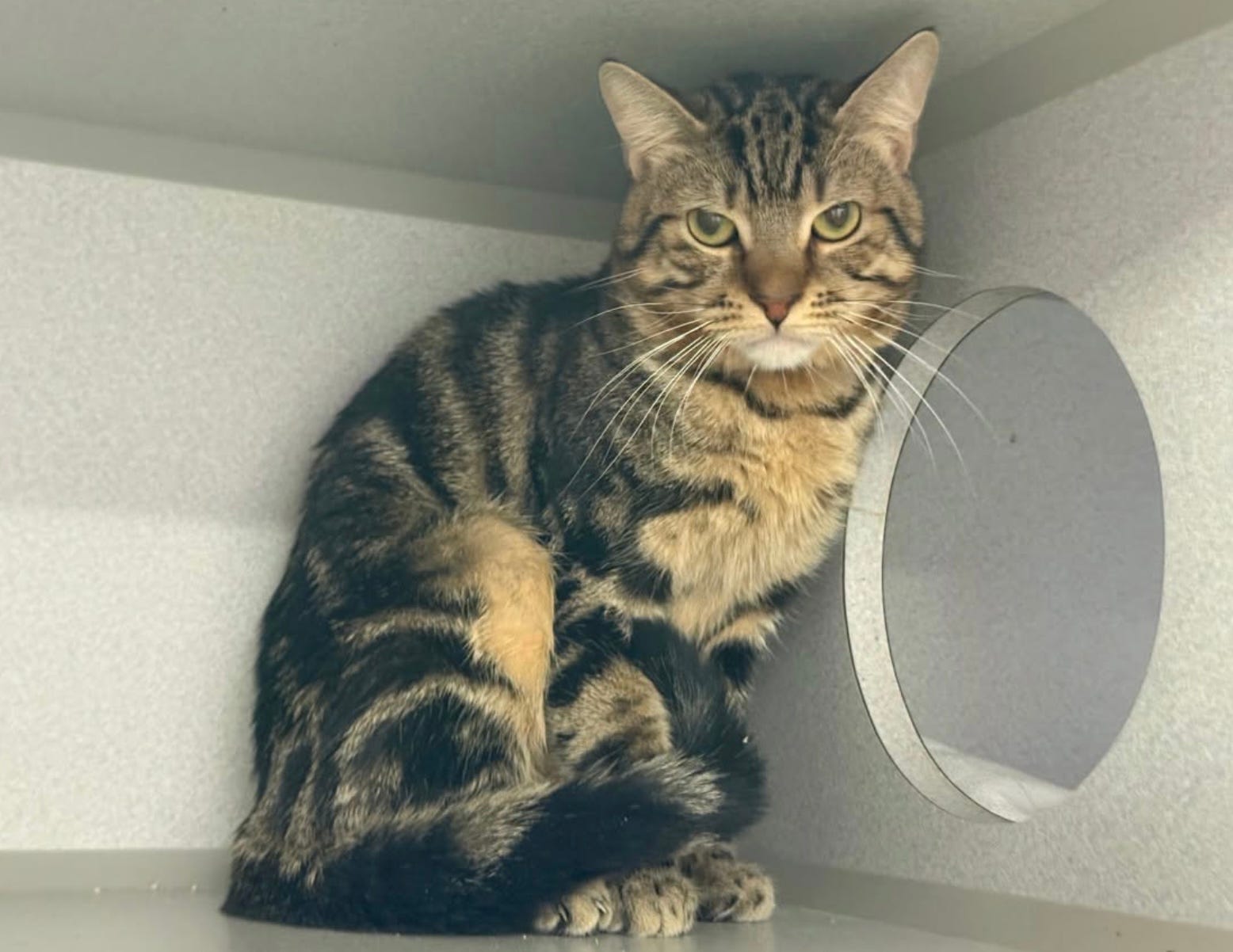
Ocelot [256174]: 2 years old; killed July 23. Ocelet, an underweight stray, was timid. A volunteer wrote, “Ocelots in the wild tend to be low-key and shy, and our boy Ocelot has been that way since arriving at the Care Center. Unfamiliar surroundings, lots of new noises and smells — we understand his hesitation. But once this handsome guy has had a little warm-up time, his sweet vibe comes through, and his desire to make friends with humans emerges. Ocelot did nicely on his behavior exam, sniffing treats and leaning in for pettings.“
During his stay at ACC, Ocelet developed a severe UTI, for which they killed him on day 51.
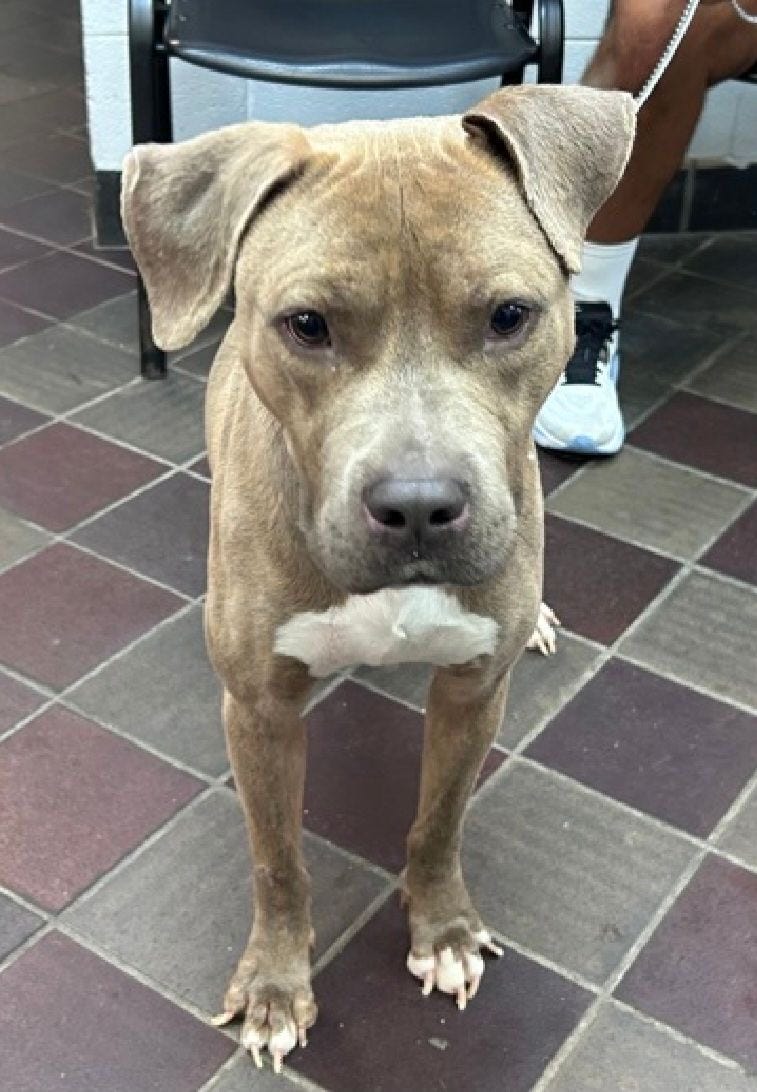
Weezer [259193]: 3 years old; killed July 23. Weezer, an underweight stray, was at ACC just 16 days. On intake, he had a loose body and a wagging tail, but soon became fearful, attempting to flee when being removed from his kennel.
They took one photo of him, in which the beautiful boy looked like he knew he had no chance. Somehow, he still had hope. He grew more comfortable being leashed and on walks he would look back, checking in with the handler with soft eyes and solicit pets. He tried his best and they didn’t give him time.
On the 18th, Weezer caught CIRDC. He was likely still sick when they killed him.
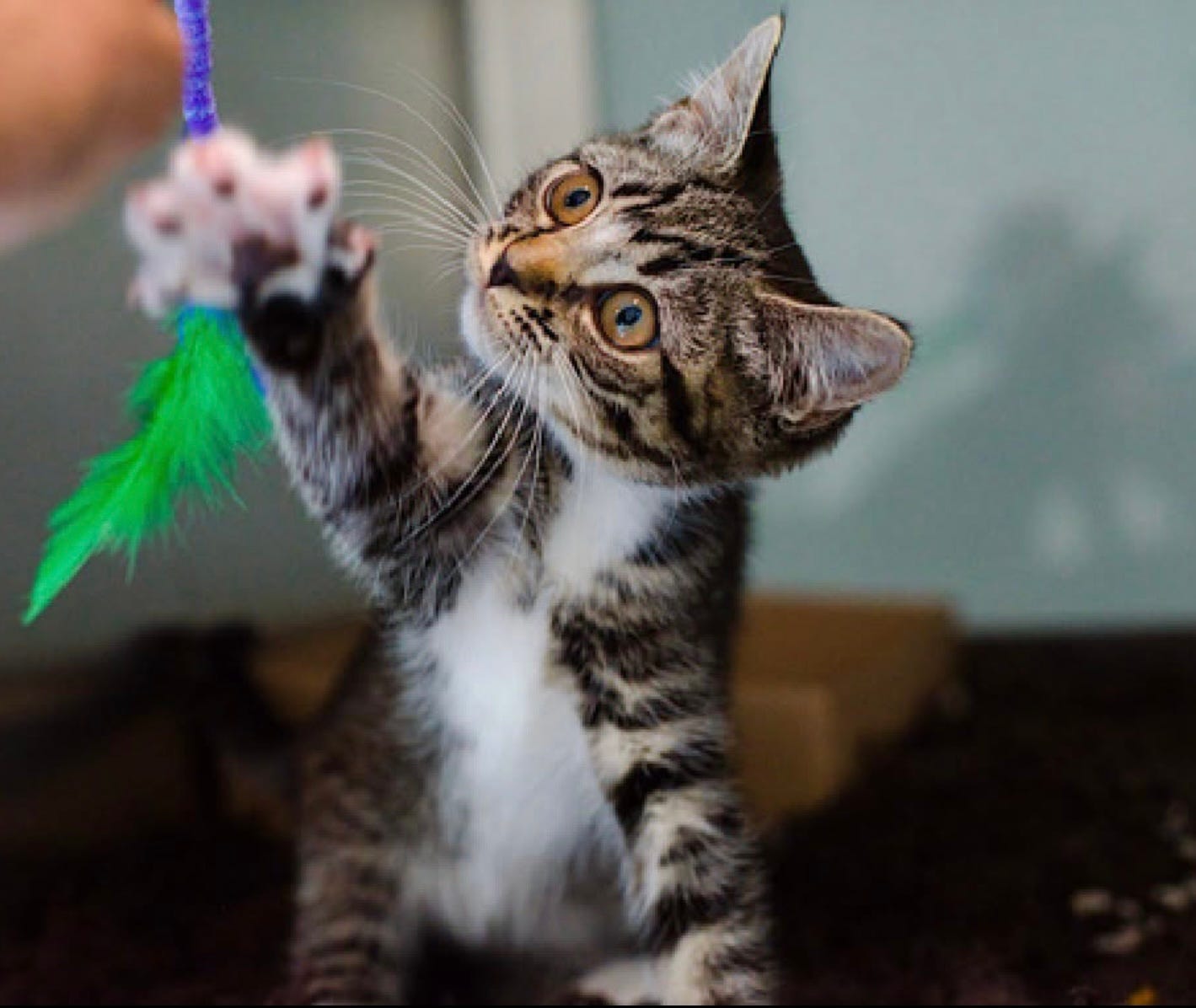
Dizzy [259392]: 10 weeks old; killed July 24. ACC killed Dizzy after 15 days in care. As the video shows, she appears to be a healthy adoptable kitten.
There is no information available about her or how she came to be at ACC and to be killed there. The Scoop New York asked ACC — including Robin Brennen directly — and its supervisors at NYC DOH why they put to death a seemingly healthy 10-week old kitten. But ACC and DOH think New Yorkers have no business knowing what the agencies do with their tax dollars.
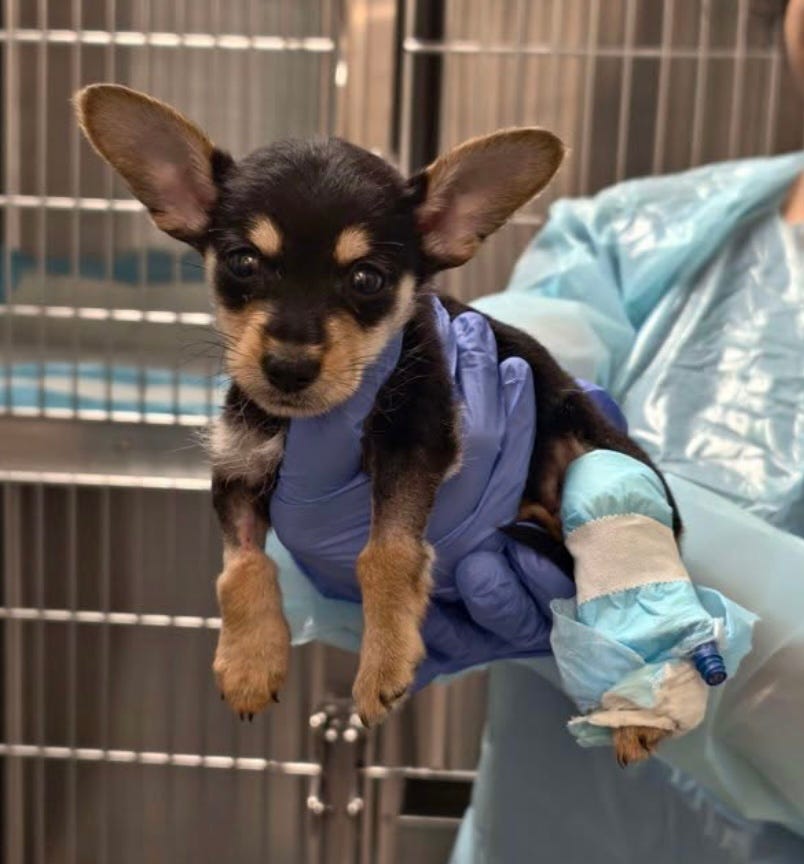
Hope [257535]: estimated 8 weeks old; killed late July. Hope was found on June 18 at age 4 weeks and almost immediately went into foster.
We don’t know precisely when he returned to ACC or why ACC killed him — a silent kill — sometime in late July.
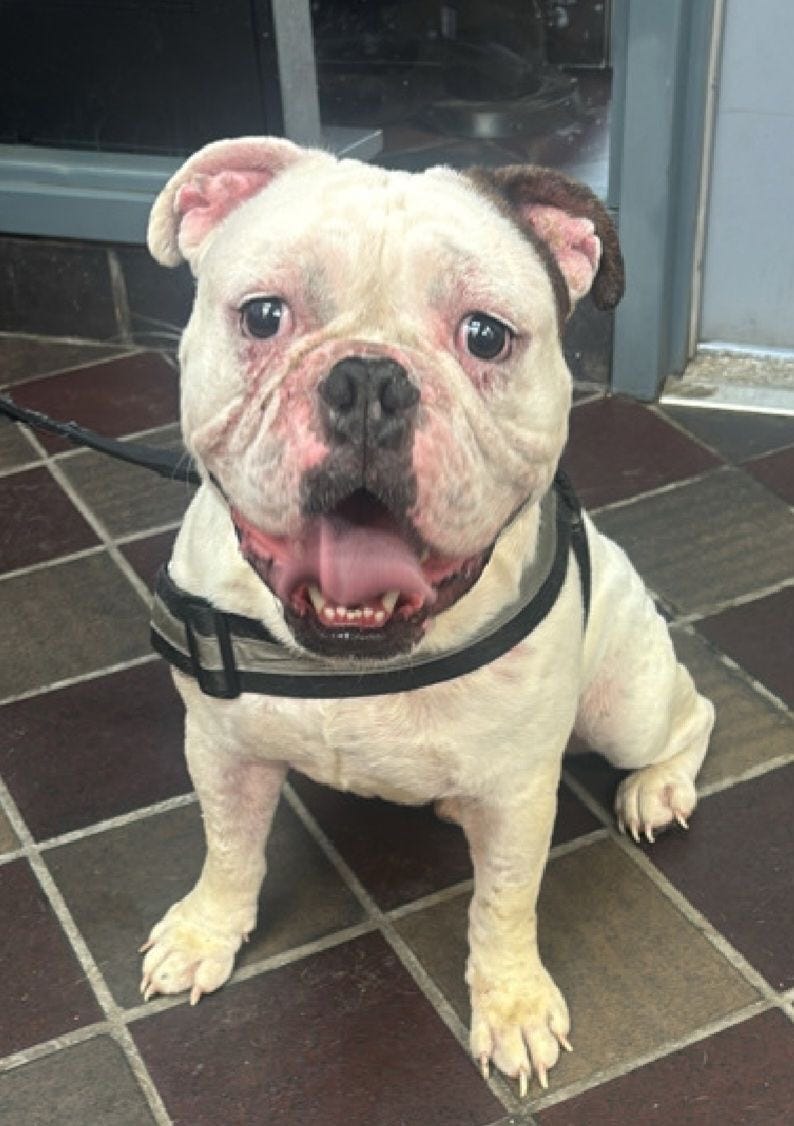
Koka Kola [256913]: 1 year old; killed July 25. Koka Kola was given a kill command by ACC, but found a foster and rescue organization to save him.
He never got his freedom ride to a new home. Koka Kola was reportedly found dead in his pop-up crate; it’s believed he aspirated on vomit. He had caught CIRDC 11 days earlier, but it’s not known if he was still sick.
Koka Kola was also on three heavy human-grade sedatives — ACC flippantly calls it the “happy cocktail” — which are known to cause gastric distress and vomiting. Bulldogs need careful monitoring due to their sensitive stomachs and respiratory issues. Unfortunately for its victims, ACC doesn’t do “careful.”
The Scoop New York asked Robin Brennen and the ACC and DOH press offices if Koka Kola did indeed choke to death, what drugs and dosages were administered, and how long he was left unattended. They didn’t answer.
Before apparent “care center” negligence killed him, Koka Kola was a high energy puppy with a big personality who had lived happily with kids and was friendly and social at ACC from the start. He had been at ACC 16 days.
